




市场更新:2 月 20 日——油价上涨和法官发言
Just as markets were settling into a comfortable rhythm cooling inflation, potential rate cuts on the horizon two variables reasserted themselves: geopolitics and the judiciary.
Neither sends a calendar invite.
Middle East Tensions: The Risk Premium Returns
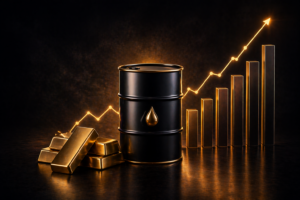
Renewed tensions in the Middle East have pushed oil higher not because supply has been lost, but because it might be. In energy markets, probability is enough.
Higher crude feeds directly into inflation expectations, which in turn complicates central bank plans. Rate-cut optimism softens. Equity multiples feel the pressure. Growth stocks wobble. Energy stocks don’t.
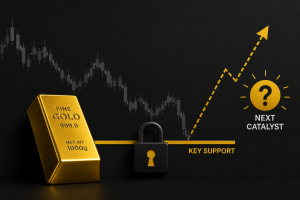
Gold has edged up. The dollar has firmed. Bonds are torn between safe-haven demand and inflation anxiety. This isn’t panic, it’s repricing.
The Supreme Court and Tariff Uncertainty
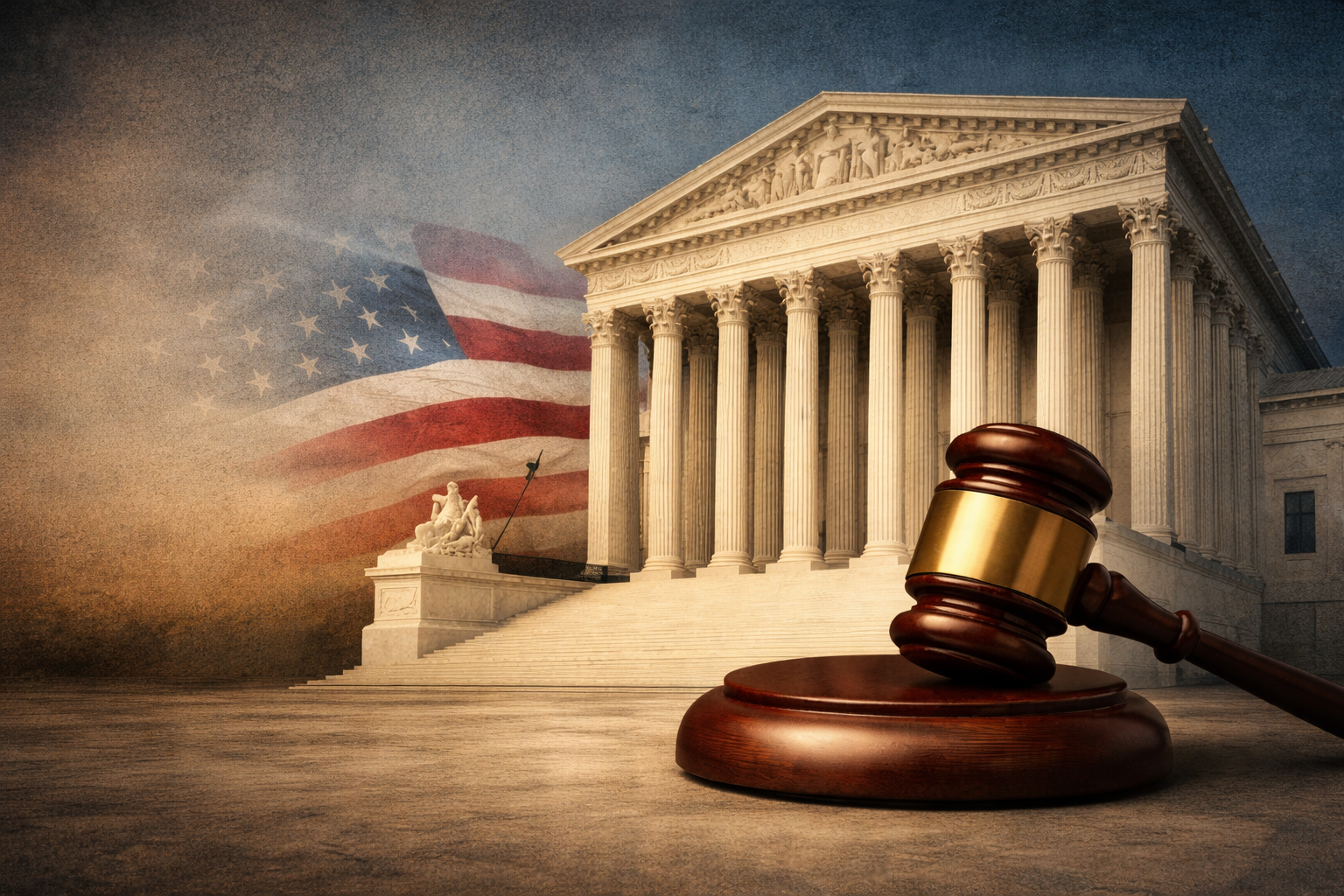
At the same time, the Supreme Court’s decision on tariff authority (which could be announced today) has added legal ambiguity to trade policy.
Markets can model higher tariffs. What they struggle to model is uncertainty over who controls them and how stable they are. Tariffs are, after all, taxes. Taxes compress margins. Compressed margins temper earnings expectations.
Industrials and multinationals sit closest to the impact. Supply chains, once optimized for efficiency, now require flexibility and flexibility is expensive.
Bottom Line
Indices remain relatively calm, but leadership is narrowing. Energy and defensive sectors are absorbing flows. Rate-sensitive names are trading more nervously. Credit spreads have widened modestly, caution, not crisis.
Two assumptions are now under review: geopolitical containment and policy predictability. When those wobble, markets don’t collapse, they recalibrate.
For investors, this is less a moment for boldness and more one for discipline. Volatility isn’t noise. It’s information.
好了,下次再见,祝大家交易平安!
詹姆斯·特雷斯科西克 著
市场研究与分析负责人
风险免责声明:本信息仅供教育目的,不构成投资建议。金融市场存在风险,过往表现不预示未来结果。在做出投资决策前,请务必进行自己的研究并寻求专业意见。.