



Escalating Tensions with Iran: Impact on Oil, Gold, and Global Markets
Market Overview
The current geopolitical escalation involving Iran is far more than a political headline. It represents a significant economic risk event capable of reshaping commodity markets, inflation expectations, and global investor sentiment.
Whenever tensions rise in the Middle East—particularly involving a key regional power like Iran—financial markets typically shift into a defensive, risk-management mode. Capital flows reposition, volatility increases, and safe-haven demand accelerates.
Let’s break down the potential implications across major asset classes.
Oil and the Strait of Hormuz: The Core Risk
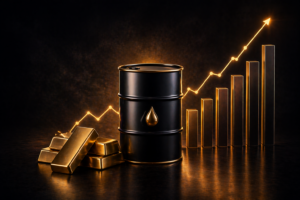
The most critical variable in this situation is the Strait of Hormuz—one of the world’s most strategic energy chokepoints. A significant portion of global oil trade passes through this narrow corridor.
Any threat of disruption—whether through direct closure, military escalation, or logistical delays—can trigger immediate upward pressure on oil prices.
If the conflict escalates:
-
Oil prices could surge due to supply risk premiums
-
Shipping and insurance costs would likely rise
-
Global inflationary pressures may re-emerge
If de-escalation occurs:
-
Oil prices may stabilize or retrace
-
Markets would shift focus back toward interest rates and inflation data
-
Risk appetite could gradually return
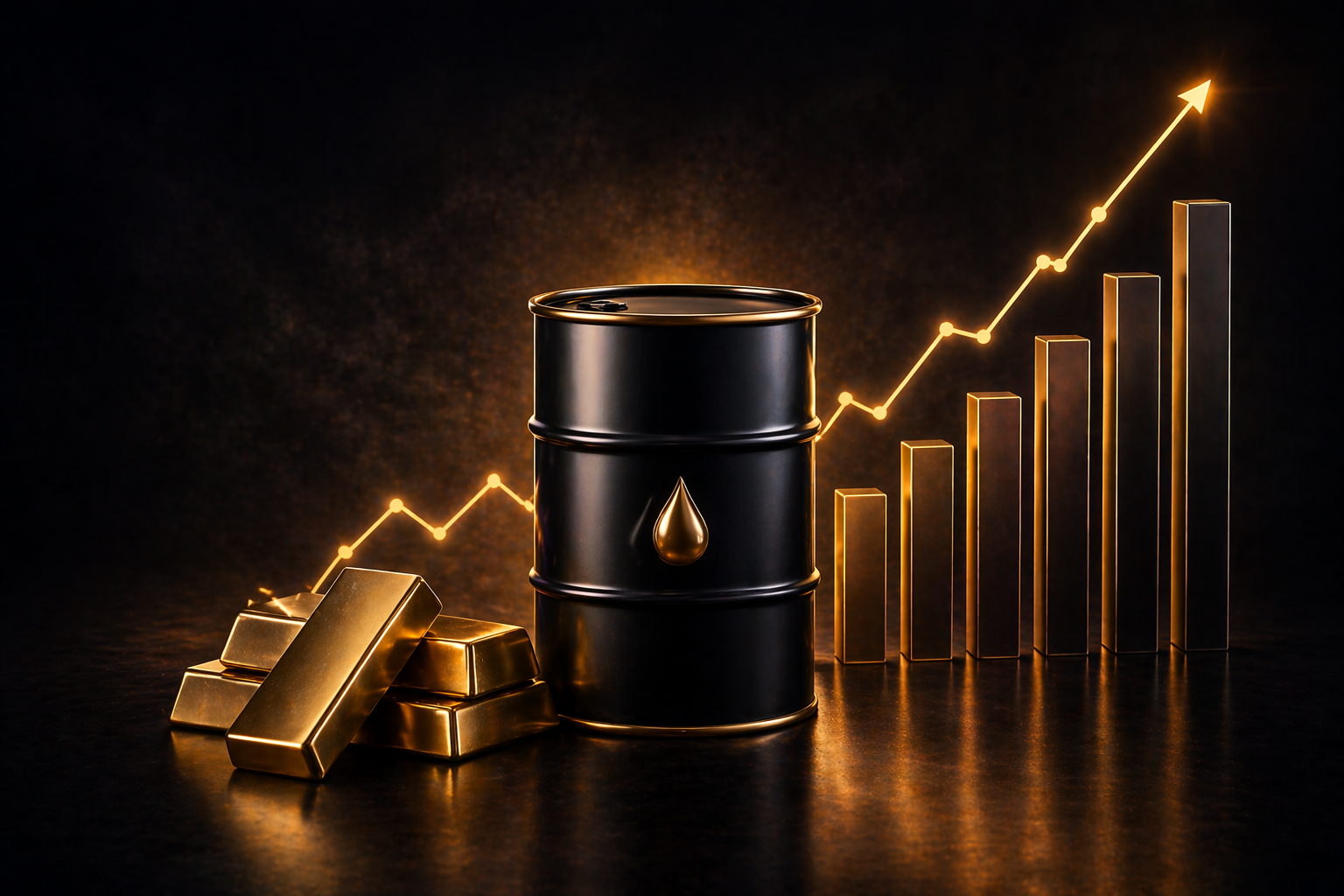
Oil remains the first and most direct transmission channel of geopolitical stress in this scenario.
Gold: The Primary Safe Haven
During periods of geopolitical uncertainty, investors typically reduce exposure to risk-sensitive assets and rotate into defensive positions.
Gold historically benefits from:
-
Geopolitical instability
-
Inflation fears
-
Currency uncertainty
If tensions persist, gold may receive sustained safe-haven flows. However, a swift diplomatic resolution could trigger short-term corrections as risk appetite returns.
Equity Markets
Equity markets prefer stability and predictability. Prolonged conflict tends to weigh on risk sentiment.
Potential pressure sectors:
-
Airlines and transportation
-
Manufacturing reliant on energy inputs
-
Consumer discretionary sectors
Potential beneficiaries:
-
Energy producers
-
Defense and security-related industries
The broader equity response will depend on the duration and scale of the escalation.
Criptomonedas
Crypto markets often display heightened volatility during geopolitical crises.
In some cases, digital assets move in tandem with equities as risk assets. In other instances, they attract flows when confidence in traditional financial systems weakens.
This environment typically requires strict risk management, as price swings can be amplified.
Supply Chains and Commodities
Heightened tensions in the Gulf region could result in:
-
Higher freight and insurance costs
-
Delayed energy shipments
-
Upward pressure on commodity prices
Energy-importing economies would be particularly vulnerable to prolonged disruption.
Strategic Considerations for Investors
In uncertain macro environments:
-
Diversification becomes essential
-
Risk management outweighs aggressive return-seeking
-
Maintaining liquidity can provide flexibility
Markets often overreact during the initial stages of geopolitical events. However, sustainable trends typically develop only once clarity emerges regarding duration, scale, and global response.
Conclusión
The evolving situation involving Iran carries material implications for oil, gold, equities, and broader global financial stability. While short-term volatility is almost inevitable, long-term market direction will depend on whether escalation continues or diplomatic resolution prevails.
In times of geopolitical uncertainty, disciplined positioning and measured risk exposure remain the cornerstone of effective market strategy.
Preparado por: Motasm Adel
Senior Market Analyst – OneRoyal
Descargo de responsabilidad de riesgos:
El trading en mercados financieros implica un alto nivel de riesgo y puede no ser adecuado para todos los inversores. La información proporcionada en este artículo es solo para fines educativos e informativos y no debe considerarse asesoramiento de inversión ni una recomendación para comprar o vender ningún instrumento financiero.

Materias Relacionadas
El oro mantiene un soporte clave mientras los mercados esperan el próximo catalizador
Análisis del Mercado: 28 de mayo de 2026 - El mercado ha decidido que las malas noticias son meramente “calidad de carácter”