



Fundamental Analysis for Commodities
The Two Most Important Words when it comes to trading commodities are:
Supply and Demand!
That’s what moves commodity prices plain and simple.
Let’s dive in…
Types of Commodities
We can group commodities into three main categories:
- Soft Commodities, are agricultural goods like:
Cotton, Coffee, Cocoa, Wheat, Soybeans - Metals, including:
Gold, Silver, Copper, Platinum - Energies, the big movers:
WTI Oil, Brent Crude, Natural Gas
Soft Commodities (Agriculture)
These are crops and crops depend on weather.
- Was it a good harvest? Droughts? Floods?
You can find updates from the U.S. Department of Agriculture (USDA).
Also, which countries produce these commodities?
Take coffee beans, major producers include:
- Brazil, Vietnam, Colombia, Indonesia
Ask yourself:
- Is there civil unrest?
- Are there export bans?
- What’s the local economy like?
Example: When the conflict in Ukraine (a major wheat producer) started, global wheat supply dropped and prices spiked.
Then look at demand:
- Is there rising global consumption?
- Any new uses for the commodity?
Metals
Ask:
- What is this metal used for?
- Is demand rising or falling?
There are two main roles metals play:
1. Safe-Haven Metals
- Gold is the classic safe-haven.
- In times of war, recession, or uncertainty, investors flee to safety.
- Other safe-haven assets include: USD, JPY, CHF, and of course — gold.
“When the world looks uncertain, gold tends to shine.”
2. Industrial Metals
- Copper is a great example also known as “Dr. Copper” because of its close ties to economic growth.
- It’s used in construction, electronics, and manufacturing.
Check supply too:
- Who mines the metal?
- Are there labour strikes, political issues, or regulatory crackdowns affecting supply?
Energies (Oil & Gas)
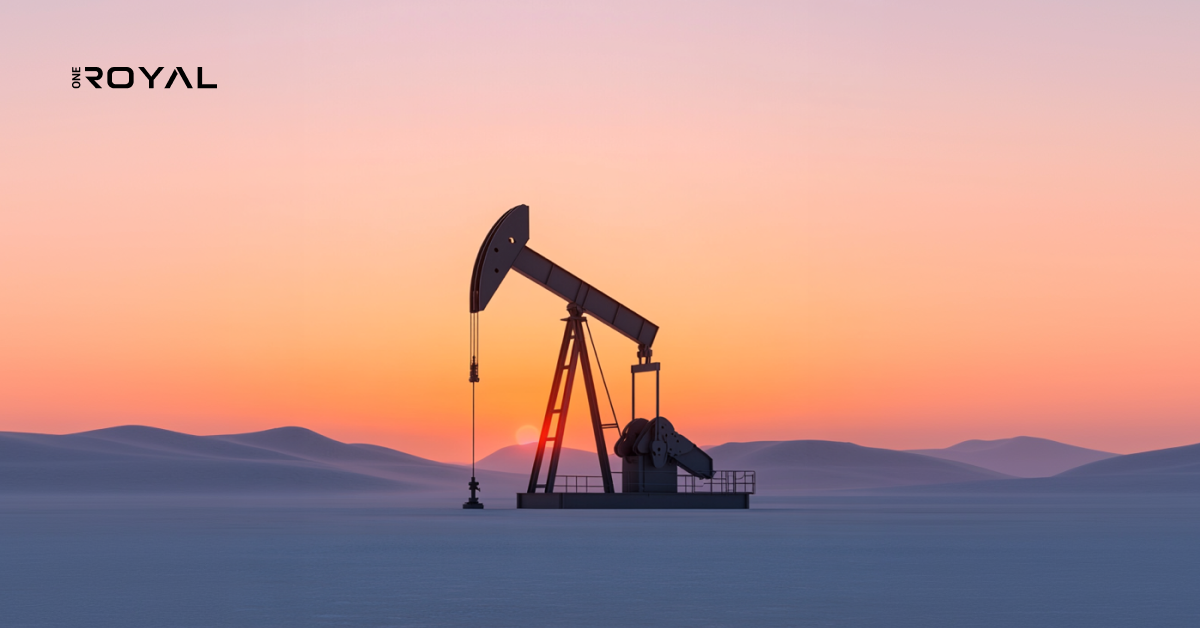
These commodities drive the world, literally and economically.
Ask:
- Who produces oil and gas?
- What’s happening in those regions?
Example:
- Middle East tensions? Markets react quickly.
- Russia’s gas exports were heavily impacted by sanctions during the Ukraine war.
Then there’s OPEC, the Organization of Petroleum Exporting Countries.
- They can increase or cut production, which moves oil prices significantly both at the pump and in the market.
And finally, demand.
- Is the global economy growing?
- Is industry active?
- Are airlines flying more?
- Are factories ramping up?
In boom times, demand rises.
In slowdowns, demand and prices drop.
Final Thought:
When it comes to commodities, always come back to:
Supply and Demand.
That’s what drives the price.