 English (UK)
English (UK)
English (UK)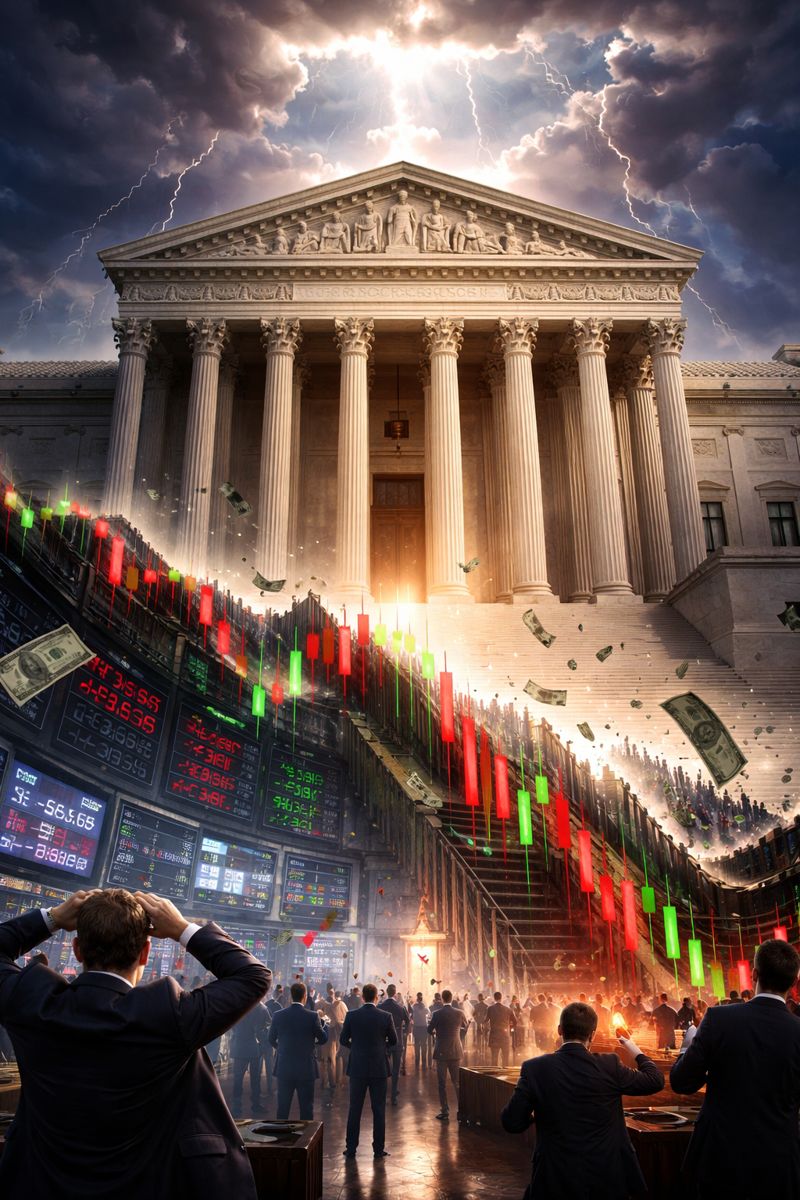
Today, the United States Supreme Court finds itself doing what central bankers usually do: potentially moving markets simply by clearing its throat. The issue on the bench is tariffs introduced under the Trump administration, and traders everywhere are pretending this was already in their models.
Tariffs, remember, are taxes that wear a trench coat and insist they’re good for you. They raise costs, irritate supply chains, and quietly turn “margin pressure” into a recurring phrase on earnings calls. So when judges start opining on them, markets listen if only nervously.
If the Tariffs Survive
Should the Court uphold the measures, investors will likely respond with a familiar shrug of relief. Not because tariffs are wonderful few would argue that but because nothing has changed. Certainty, even the mildly unpleasant kind, is comforting.
Expect a short-term calming of volatility, followed by the slow realization that higher input costs are still hanging around like an awkward dinner guest. Domestic producers may quietly applaud, import-heavy businesses may quietly sigh, and everyone else will move on to worrying about rates, oil, or whatever tomorrow brings.
If the Tariffs Don’t
If the ruling clips the wings of those tariffs, the market reaction is likely more animated. Retailers, manufacturers, and globally entangled firms could enjoy a bounce as investors price in lower costs and improved margins. It won’t be a parade, but there may be a polite cheer.
Meanwhile, the bond market may do its usual deadpan routine, lower inflation expectations, steady yields, and a reminder that optimism should always be taken in moderation.
The Bigger Joke
The real market takeaway isn’t tariffs themselves; it’s precedent. Any signal that trade policy can be reshaped by legal interpretation rather than political muscle adds a new wrinkle to risk assessments. Markets don’t mind bad news, but they loathe uncertainty especially the kind that can’t be graphed.
By the end of the day, traders will have reacted, recalibrated, and confidently explained why the outcome was “obvious in hindsight.” The rest of us will simply note that once again, the market has proven it can find drama in places most people associate with silence and robes.
Welcome to another perfectly normal day on Wall Street.
Anyway, till next time, every single one of you trade safe!
By James Trescothick
Head of Market Research and Market Analysis
Risk Disclaimer: This information is for educational purposes only and does not constitute investment advice. Financial markets involve risks, and past performance is not indicative of future results. Always conduct your own research and seek professional advice before making investment decisions.